Choose a dog for your hunts and home
Start with the birds and ground you hunt, the work you need, and an ordinary week at home. Compare individual dogs as well as breeds.
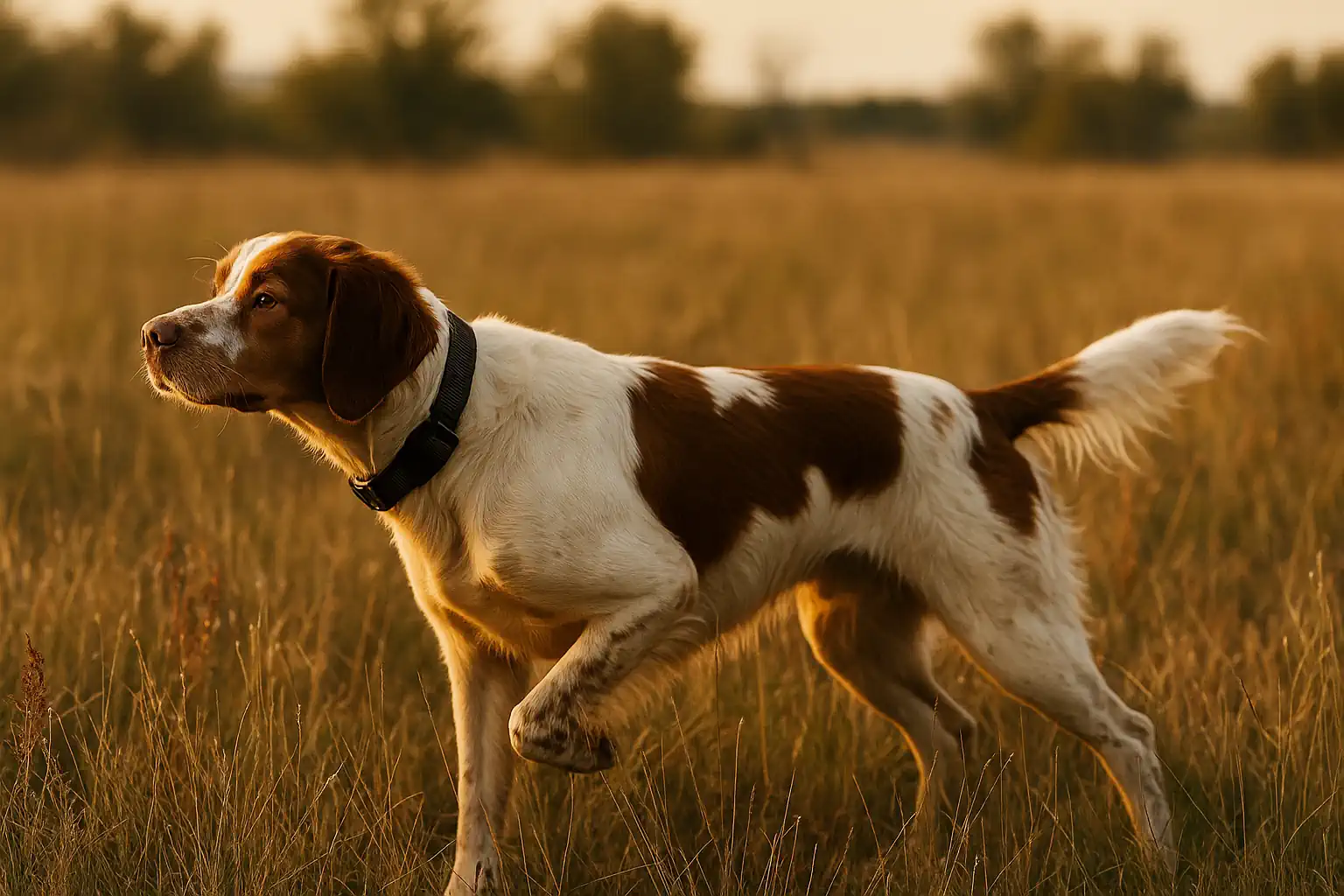
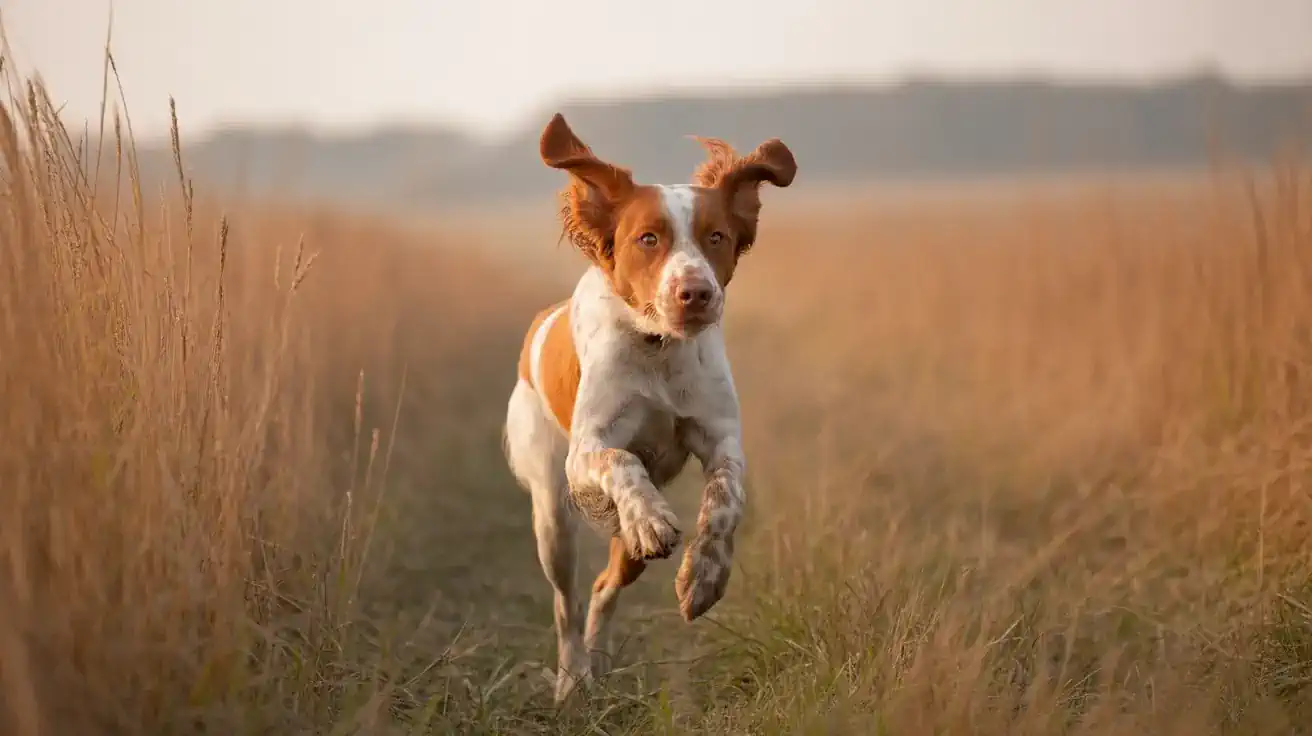
Practical guidance for bird dog owners and upland hunters in the U.S., with a focus on pointing dogs. Start with the question you need to answer.
Training style: calm repetition with reward. Safety first. The dog is never the problem.
Choose the question that matches your situation. These paths connect existing guides for bird dog owners and upland hunters, with a focus on pointing dogs.
Start with the birds and ground you hunt, the work you need, and an ordinary week at home. Compare individual dogs as well as breeds.
Choose one response to teach, then consider where your dog can practice it. Readiness depends on the dog and the task, not a fixed calendar.
Assess your dog’s preparation and choose a manageable trip. Current local hunting rules and permission to use the ground need separate checks.
Describe what you saw, check what the dog has learned, and choose the next question. A missed response does not explain its cause.
See the equipment used on this site, then separate a buying decision from a skill your dog still needs to learn. A new item does not teach the retrieve.
Prepare questions for a trainer or event organizer, and keep a record you can compare between sessions. Choose a next step with a clear purpose.
Want to connect the steps? Follow the decisions from choosing a dog to a first outing, or browse the guides by question and stage. Pointing work, flushing and retrieving have different aims; choose the task your dog is doing.
Four short lesson pages contain 24 introductory slides covering bonding, field walks, early bird work and first seasons. They are an overview, not a complete program or fixed schedule. Browse the foundation introductions, then choose a specific question from the training guides.
Start with the question you need to answer today. Choose one guide, work on a manageable goal, and use what you observe to decide what comes next. Your dog's age, breed or place in a calendar cannot tell you everything it has learned or what it can manage.
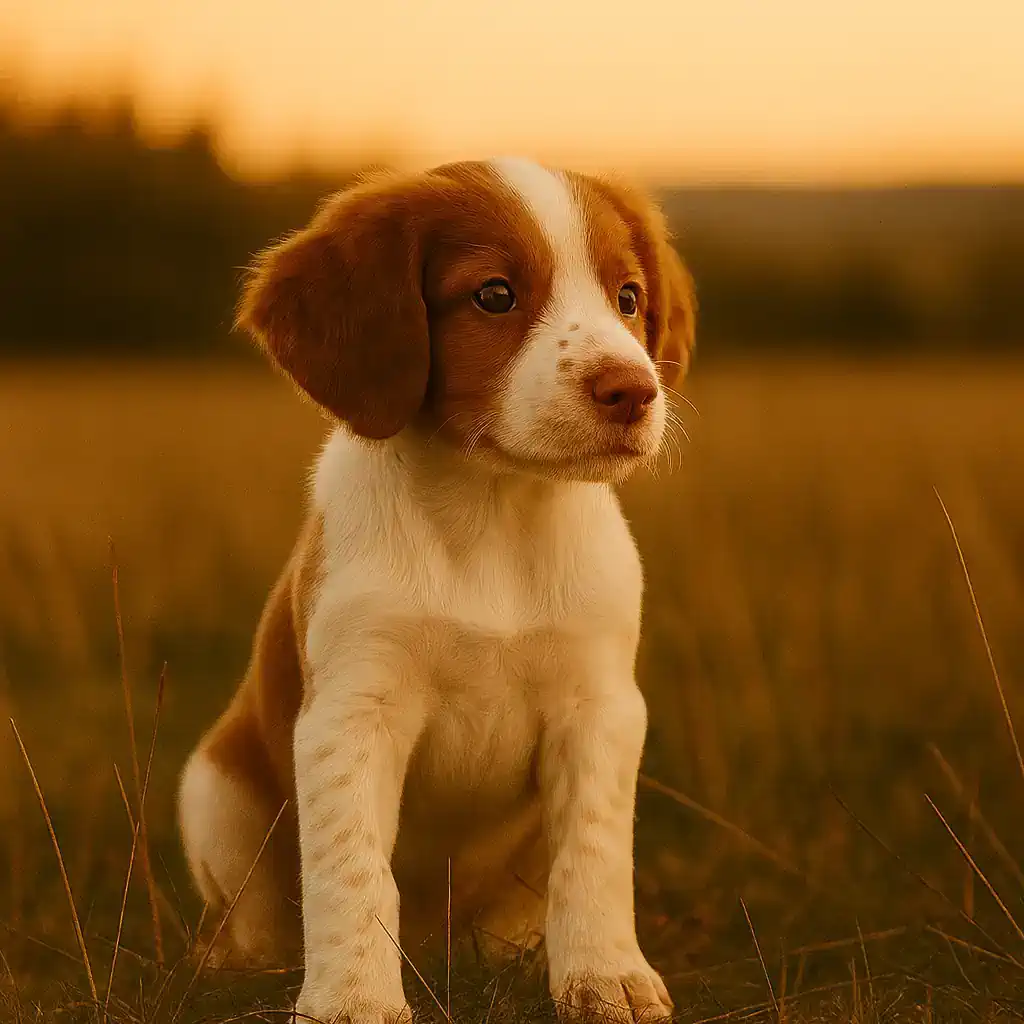
Step 1
Name, recall, crate, calm handling, and a dog that enjoys working with you.
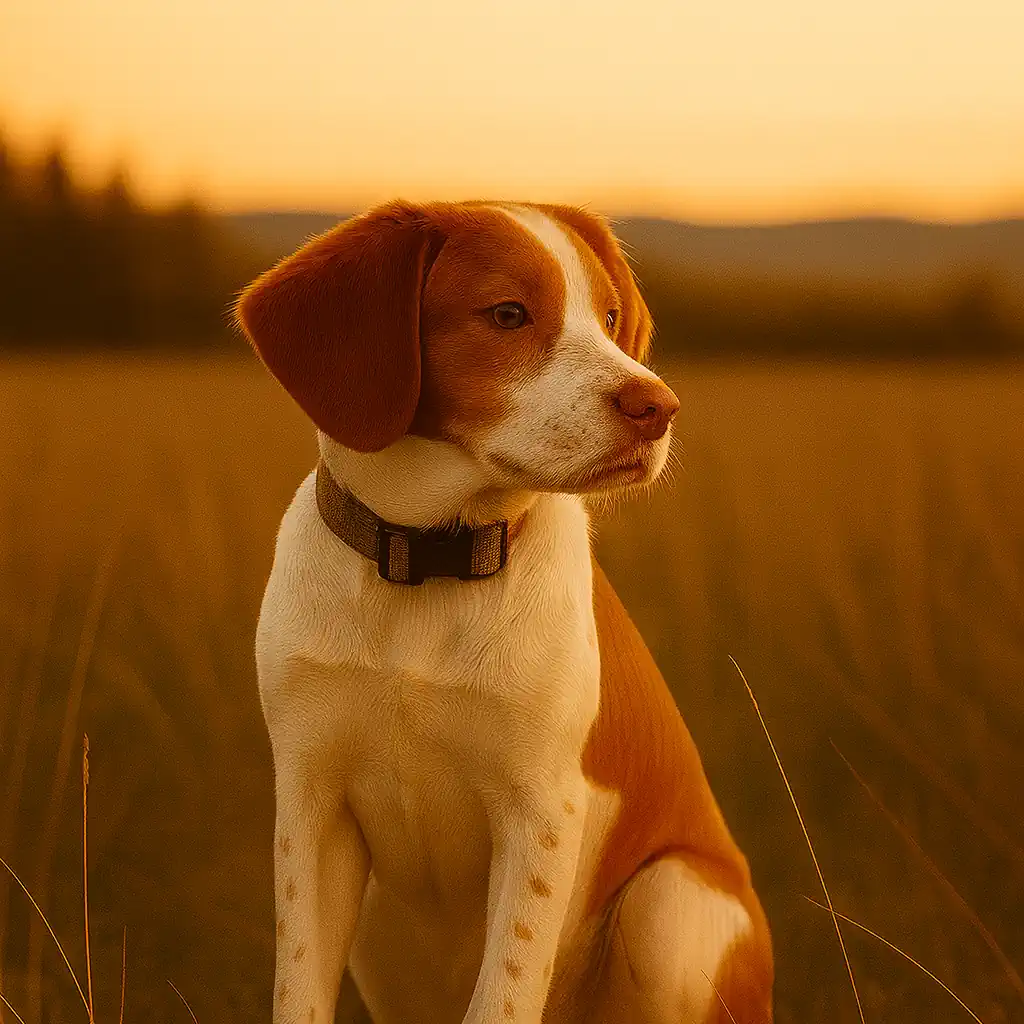
Step 2
Short fun walks in cover. Learn wind and ground. Build confidence early.
Step 3
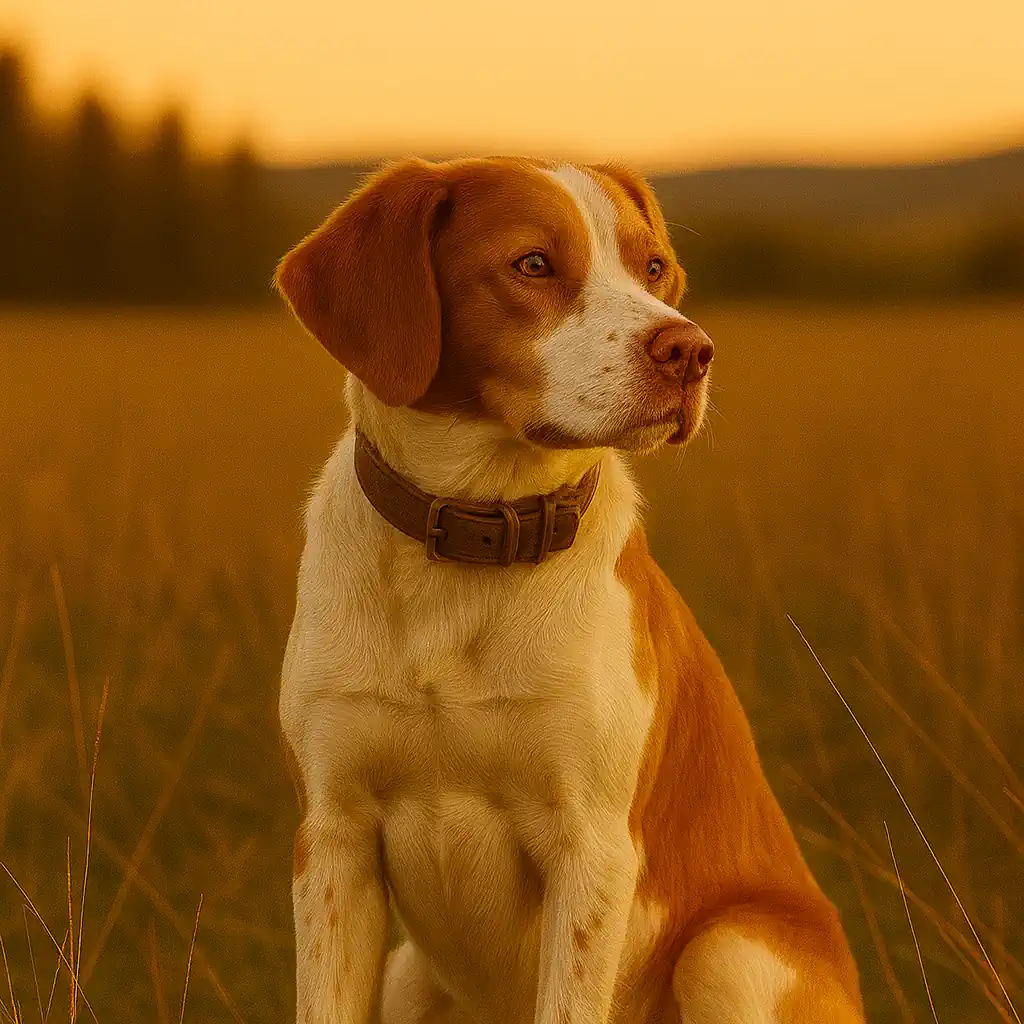
Observe early bird encounters, keep the dog safely managed, and stop before pursuit, distress or loss of control. No final point is required.
Step 4
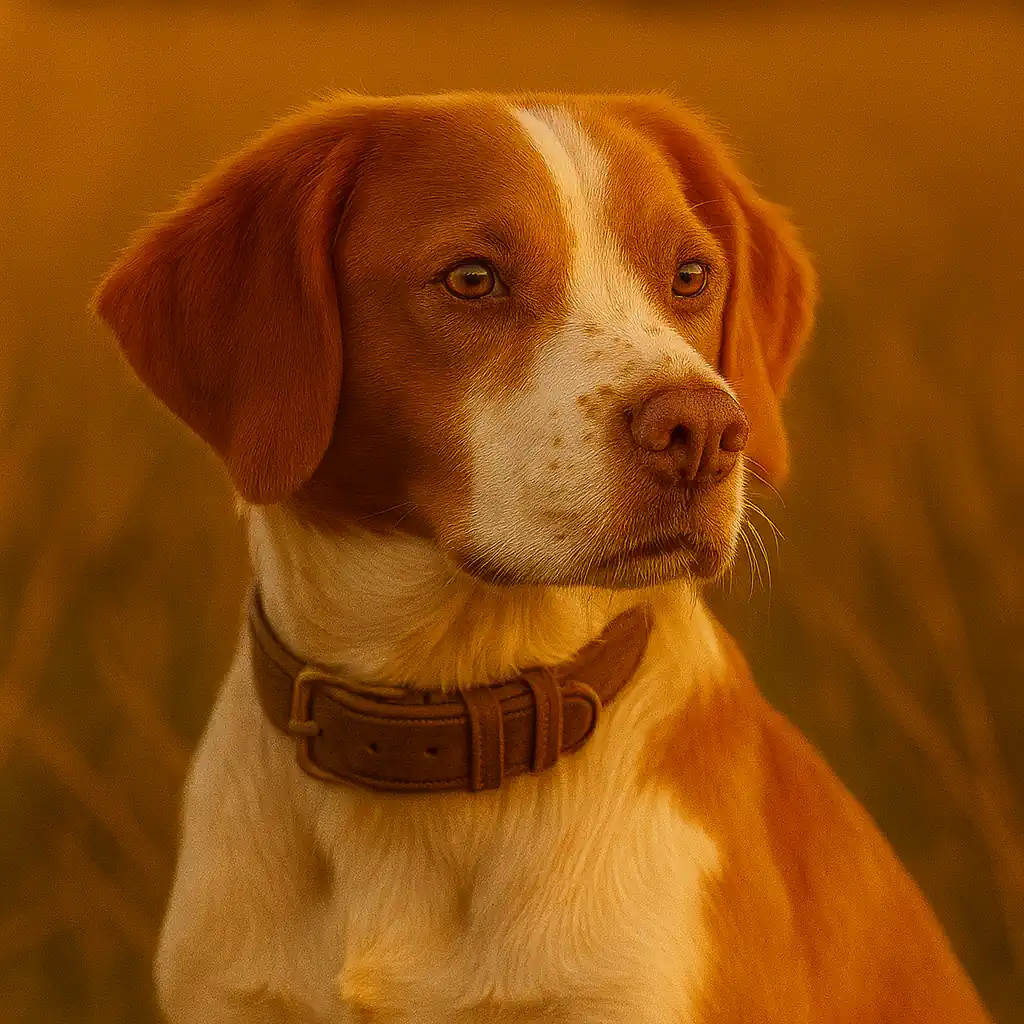
Wild birds, real mistakes, reward-based practice, and progress you can measure.
Short repeatable field moments. No talking, just real hunts with a bird dog in front of you.
Series
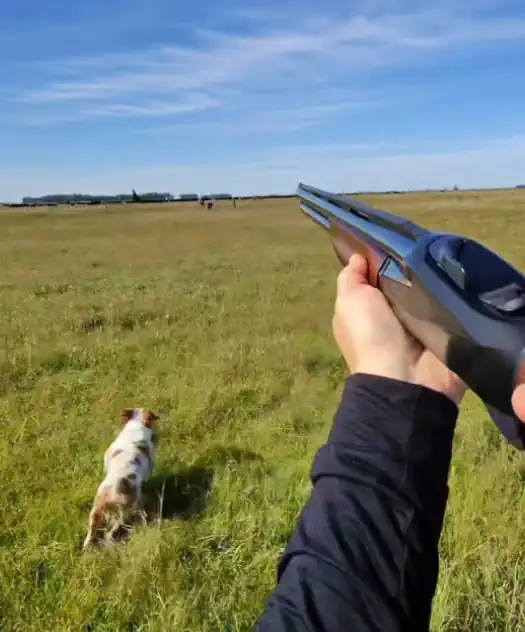
Pressure moments: hit or miss. The dog did its job. You learn timing and discipline.
Explore
Series
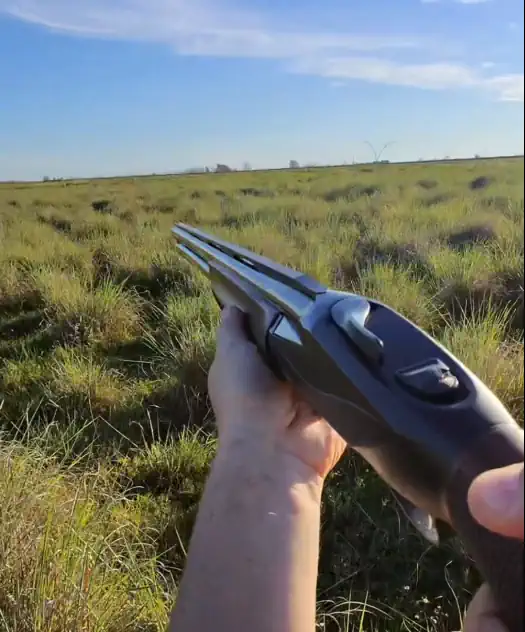
Shot first, then the full sequence, then the same shot in slow motion.
Watch
Series
Big misses and gear failures. Honest lessons. The dog is not the problem.
Learn
Series
Raw ambient POV: wind, cover, dog work, flush, shot. No voice.
See
Short, field-tested insights about dogs, birds and real hunts.
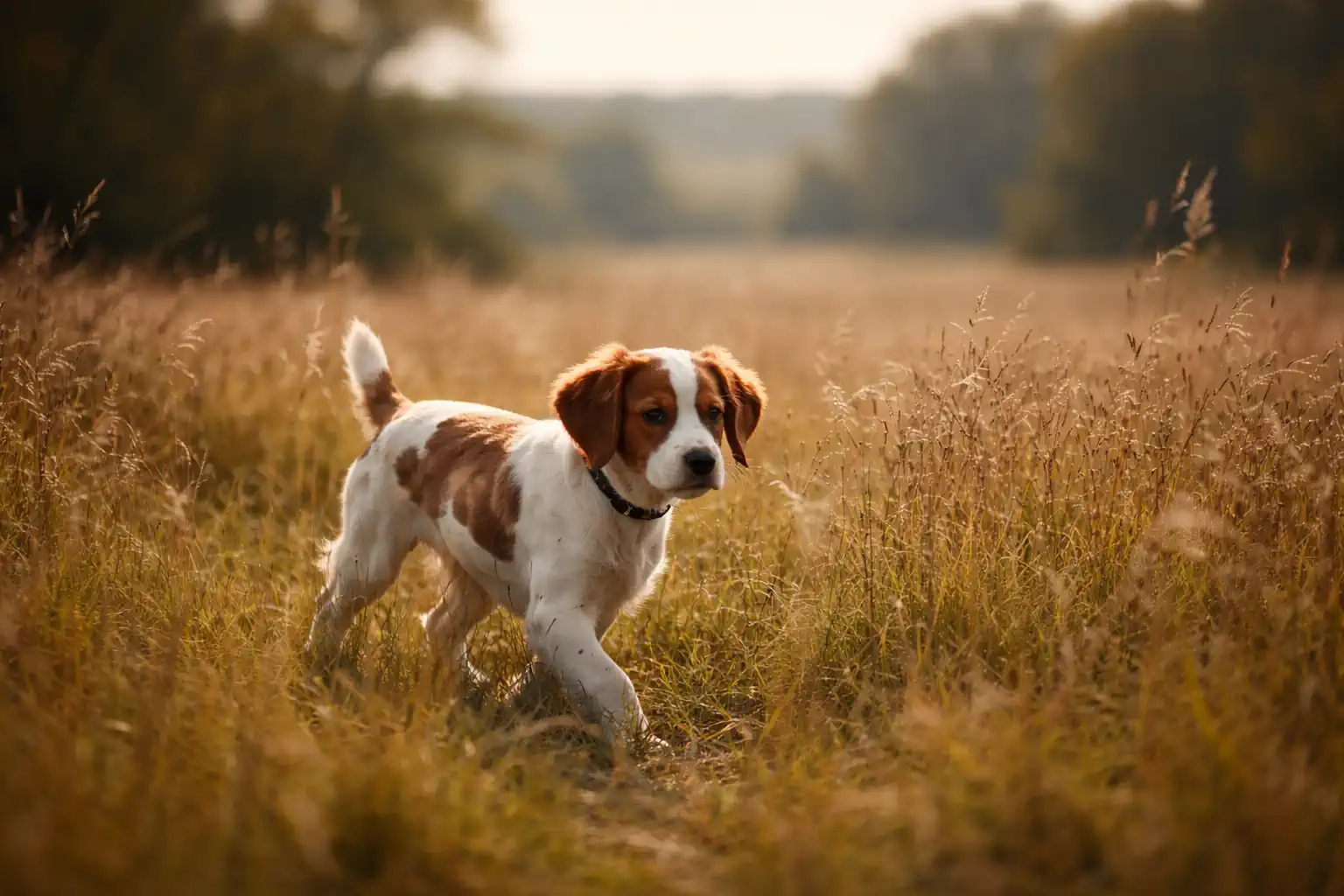
A complete Brittany puppy upland training checklist covering drive, birds, field exposure, and timing to build a confident hunting dog.
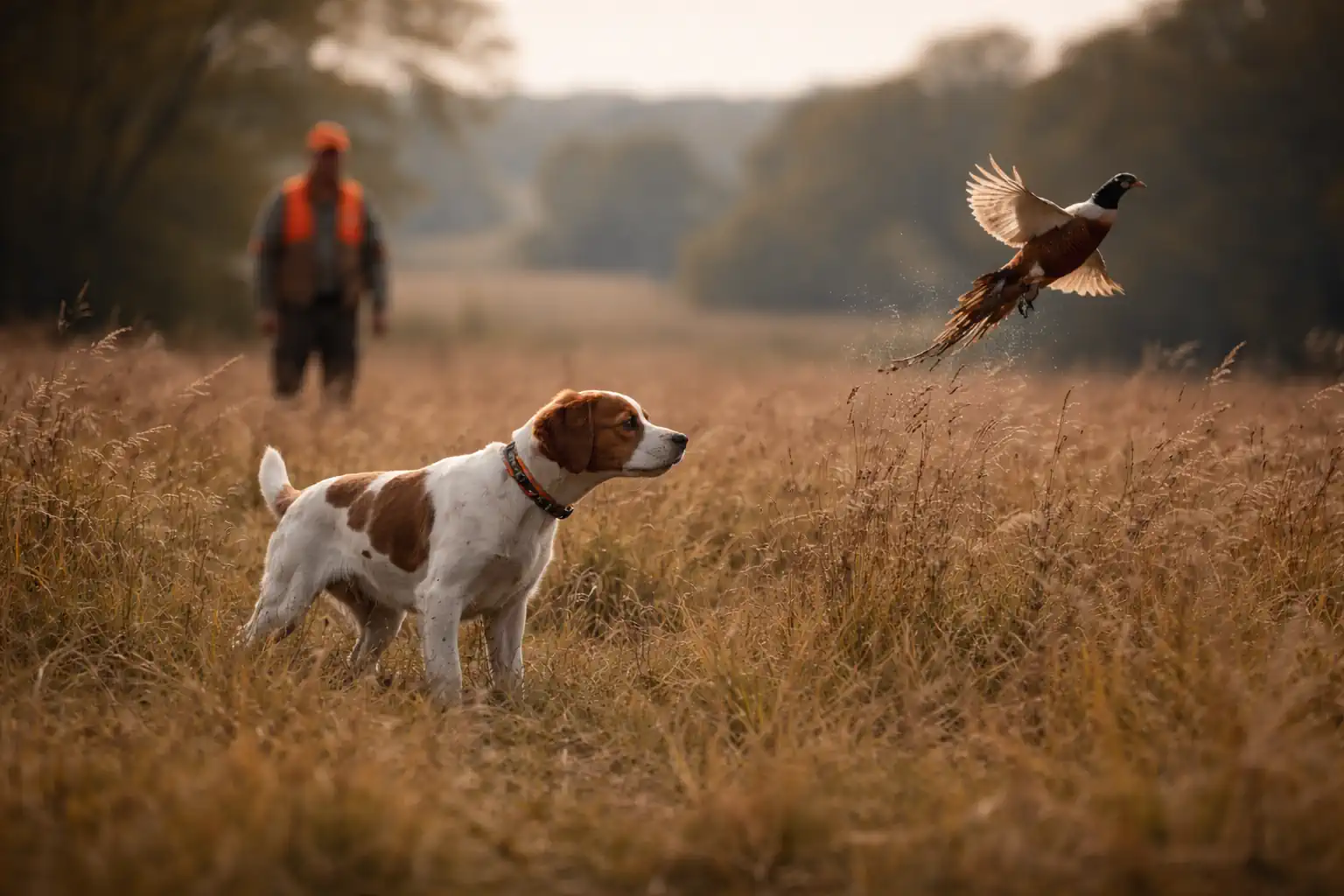
A young bird dog bumps a bird, freezes at an object, or avoids a familiar activity. Separate what you saw from what you guessed before changing training.
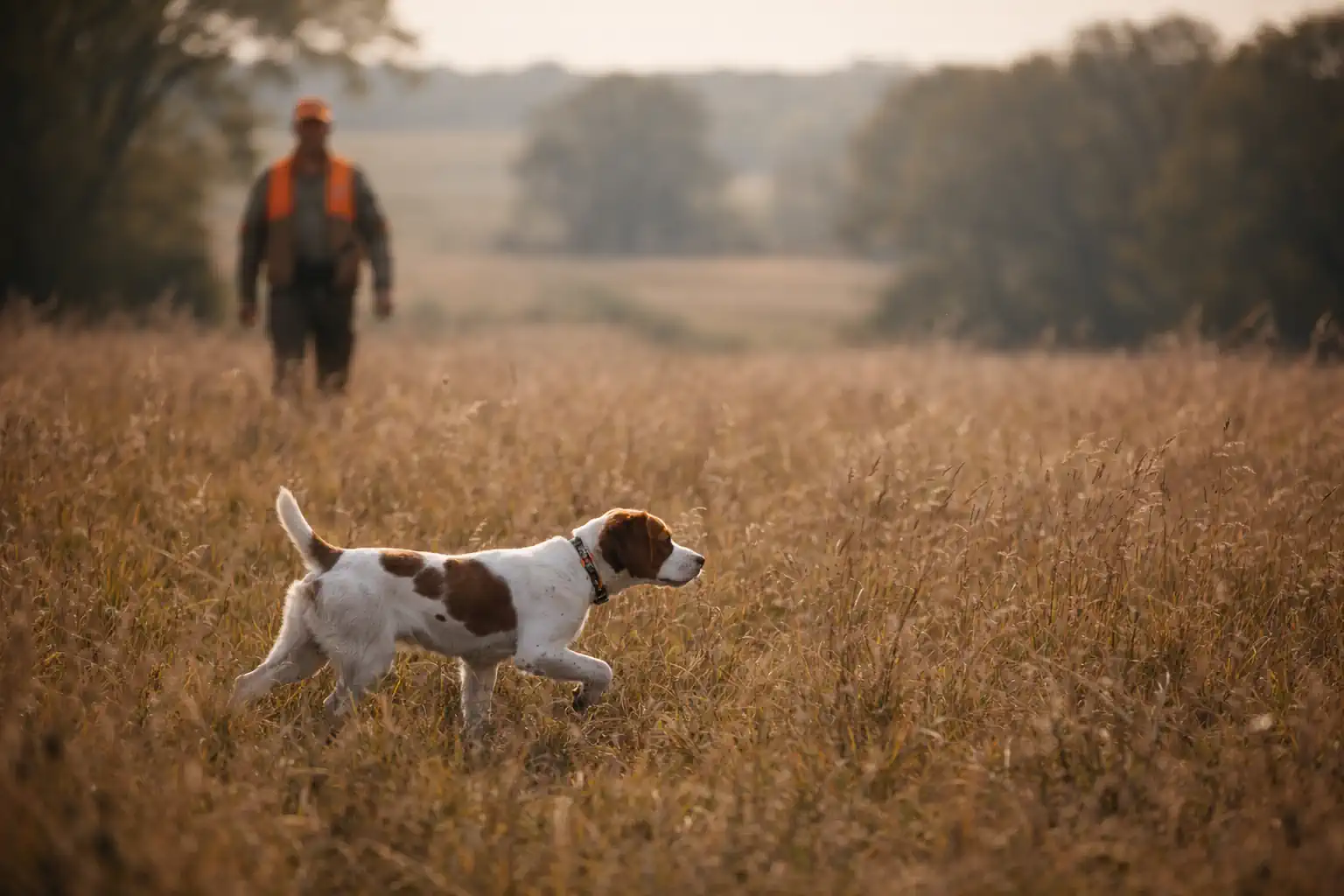
Plan your pointing dog's first field walks with suitable ground, safe management, time to explore, and clear decisions to continue, simplify, or stop.
Quick answers about training, hunting content, and how to use the site.
HuntWithDog is a bird hunting and bird dog training guide built from real upland hunts. It focuses on repeatable training phases, safety, and practical field skills.
Most examples are from Brittanys, but the training principles apply to Pointers, Vizslas, Setters, GSPs, and other pointing breeds.
Choose a useful starting point for your bird dog: foundations, field work, retrieving, training problems or wellbeing. Find the guide that matches your question.
Use reward-based training. Electrical pressure is not a way to fill a preparation gap. If noise preparation is absent or unclear, keep the dog away from shooting and get qualified help first. If the dog has shown fear around noises, consult your veterinarian before planning another shooting outing.
Training approach: AVSAB humane-training position. This supports reward-based methods, not a particular gunfire exposure sequence.
Yes. They show real timing, pressure moments, dog work, and field decisions. The Series pages connect those moments to the training steps and guides.
Yes. The Gear Setup section focuses on field-tested kits and practical setups. Some recommendations may use affiliate links.
Subscribe for updates from HuntWithDog. Subscribing does not reserve a book, buy a course or guarantee delivery of a training plan.
You can unsubscribe any time.