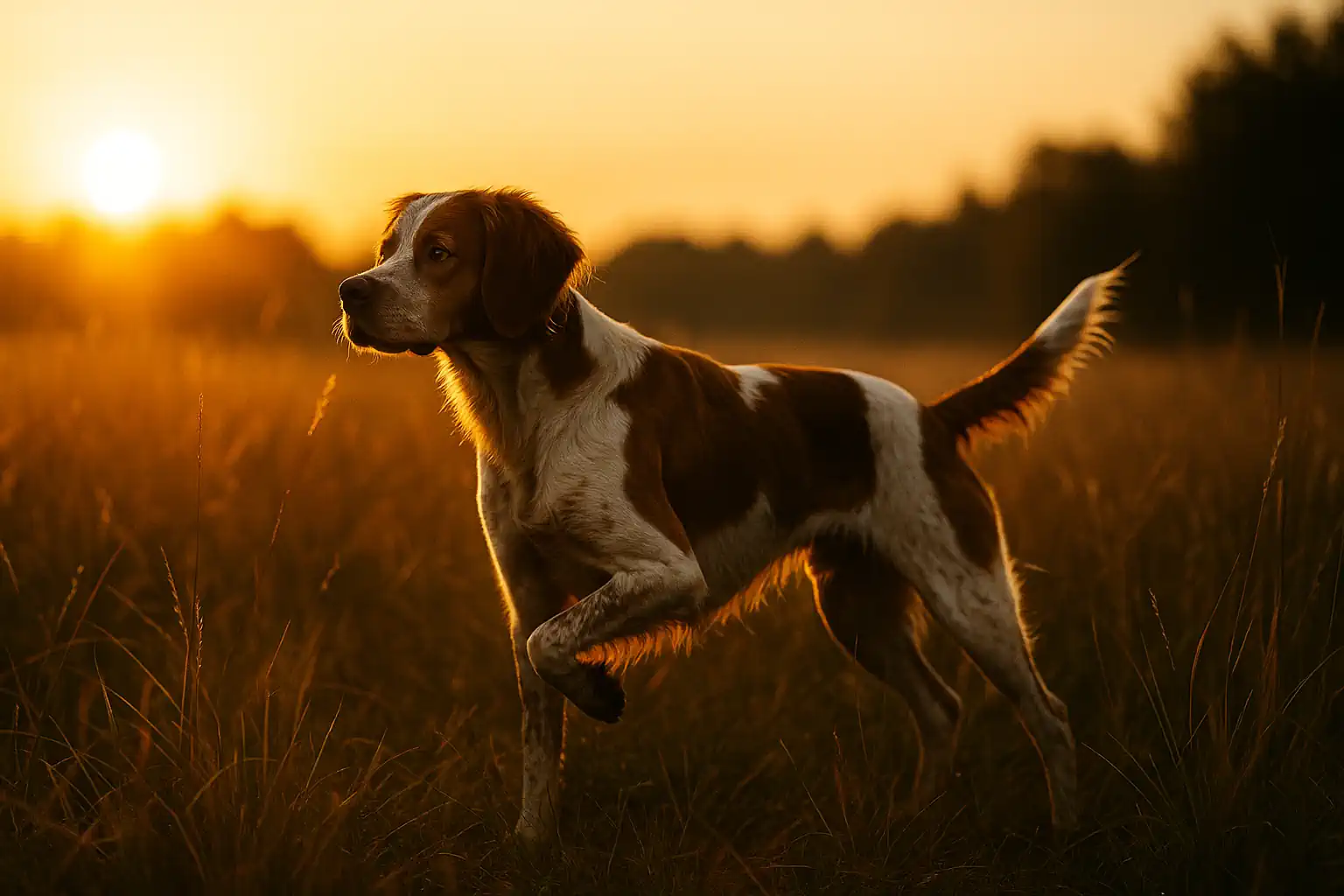
Foundations
Bird dog training foundations
For upland hunters who want a dog that works hard but also has a brain. Not a robot and not a wild runner that disappears over the horizon.
Built around calm repetition with reward, smart exposure, and real field priorities.
The 4 step starter structure
These four introductory topics are starting points, not a fixed timetable or a guarantee of readiness. A book is a possible future project, not a confirmed release. This page makes no promise about a PDF edition, an Amazon listing or a launch date.
Step 1
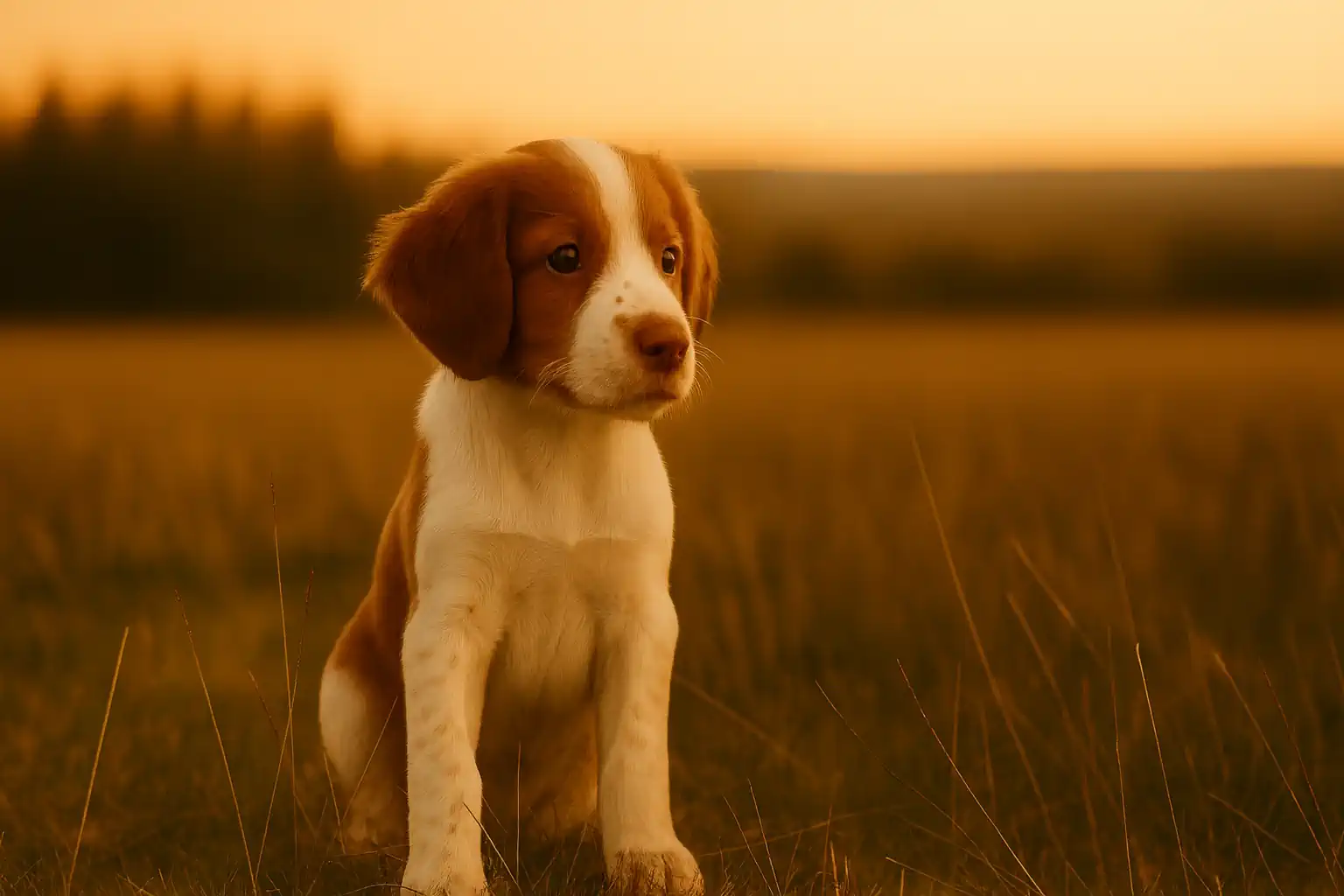
Bonding and foundational obedience
Name, recall, crate, calm around people and other dogs. No birds and no pressure. You are building trust and a dog that likes working with you.
Open topic →
Step 2
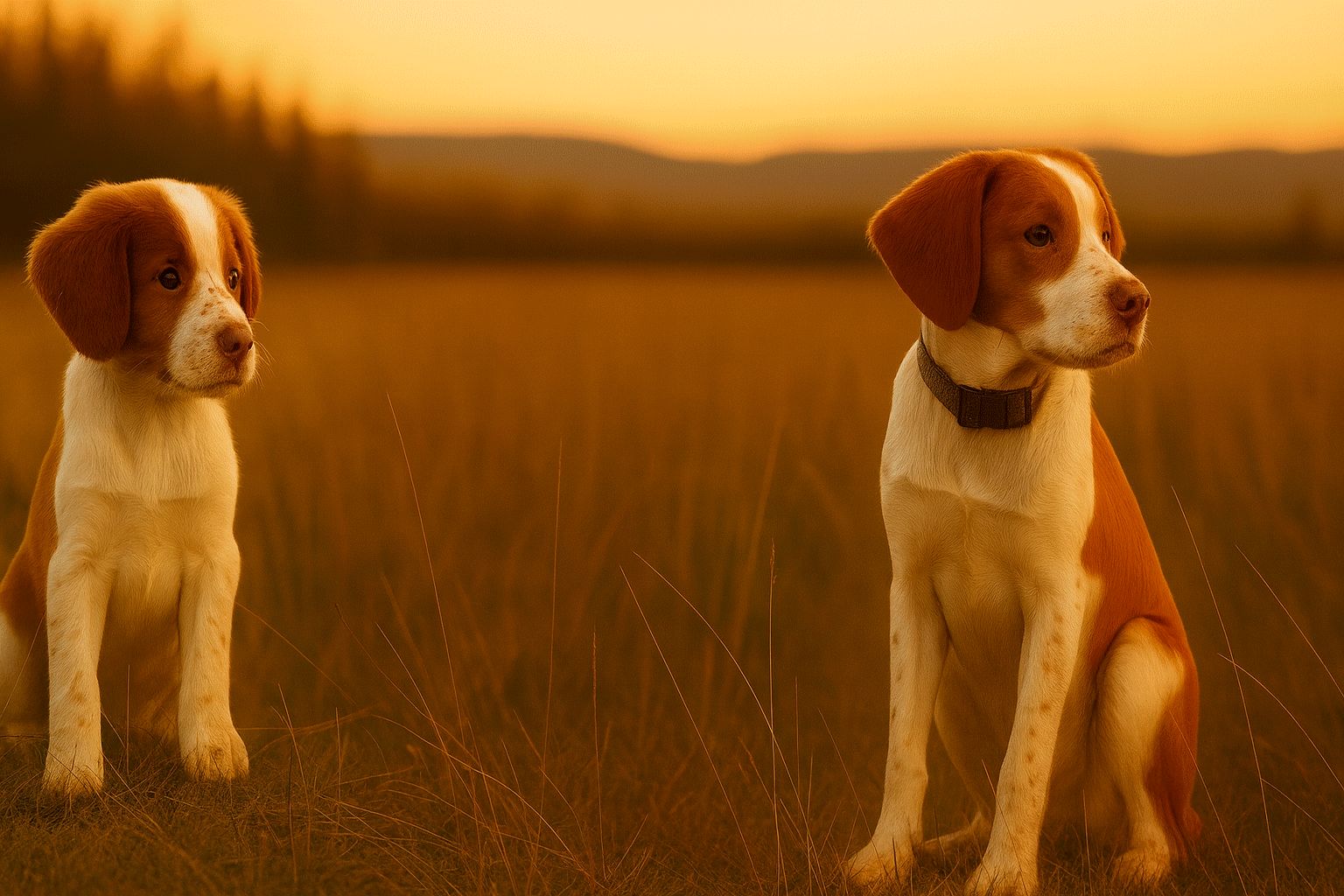
Field introduction
Short, fun walks in real cover. The dog learns how wind and ground work and you learn how it likes to hunt.
Open topic →
Step 3
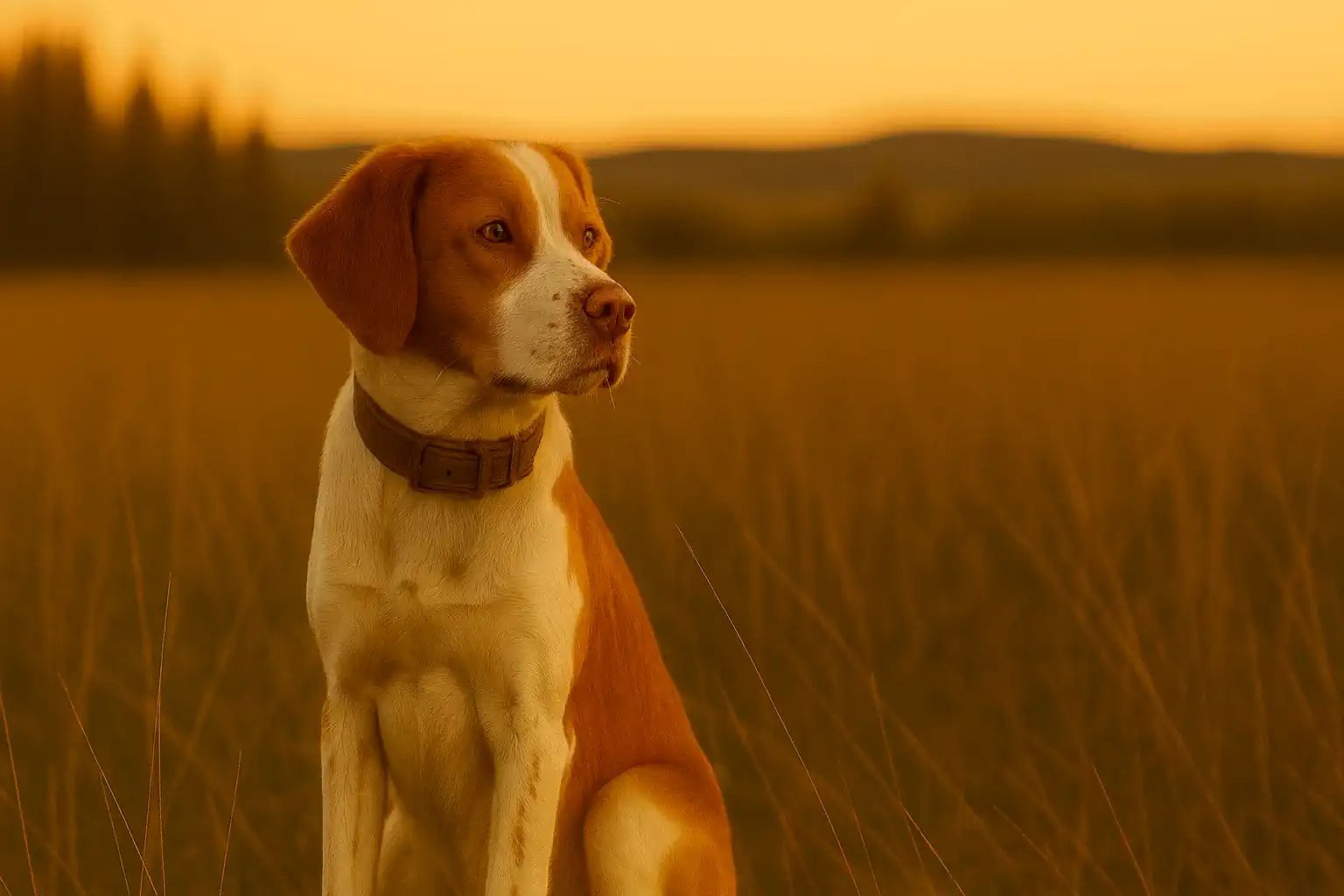
Early bird work
Observe early bird encounters, keep the dog safely managed, and stop before pursuit, distress or loss of control. No final point is required.
Open topic →
Step 4
First real seasons
Wild birds, real mistakes and reward-based practice. Here you see if your daily work at home and in the field is paying off.
Open topic →
Get updates from HuntWithDog
Subscribe for site updates. A book remains a possible future project; subscribing does not reserve a copy, place an order or confirm a course or PDF release.
Subscription is for updates, not a preorder or purchase.
FAQ
Quick answers for new handlers starting a pointing dog for upland hunting.
What can I read here?
The four introductory topics cover foundational handling, field introduction, early bird work and first seasons. They are not a fixed-day training prescription or a promise of a particular result.
Who is this plan for?
For upland hunters who want a dog that works hard but also has a brain. Not a robot and not a wild runner that disappears over the horizon.
Is this only for Brittanys?
No. The examples lean Brittany, but the principles apply to pointing breeds like Pointers, Vizslas, Setters and similar hunting dogs.
Do I need an e collar?
Use reward-based training. Electrical pressure is not a way to fill a preparation gap. If noise preparation is absent or unclear, keep the dog away from shooting and get qualified help first. If the dog has shown fear around noises, consult your veterinarian before planning another shooting outing.
Training approach: AVSAB humane-training position. This supports reward-based methods, not a particular gunfire exposure sequence.
What if noise preparation is missing or my dog is worried by gunfire?
Treat gunfire preparation separately from a hunt. If preparation is absent or unclear, keep the dog away from shooting and obtain qualified help first. If your dog has shown fear around noises, consult your veterinarian. Repeated exposure during a hunt is not an assessment or treatment plan. This overview provides no sound-exposure protocol or readiness test.
How much daily time does it take?
Short sessions win. Consistency matters more than duration. Think small, repeatable reps at home plus short field outings that end with the dog confident and wanting more.
What if my dog ranges too far in the field?
Range is shaped by repetition, reinforcement and how you handle check ins. The plan focuses on building a dog that hunts with you, not against you, without crushing drive.
Is a book or full program available?
A book is only a possible future project, not a confirmed release. No publication date, format, availability, Amazon listing or presale is promised. These pages do not announce a separate course or PDF offering.
What birds does this apply to?
It is written for upland seasons and pointing dog work in general. The same foundation supports pheasant, quail, grouse and woodcock style hunting.