Hunting Pheasants in Different Weather Conditions
· 2 min read · HuntWithDog
Learn how to hunt pheasants in different weather conditions, adapting tactics, timing, and cover strategies for wind, rain, snow, and cold.
On this page
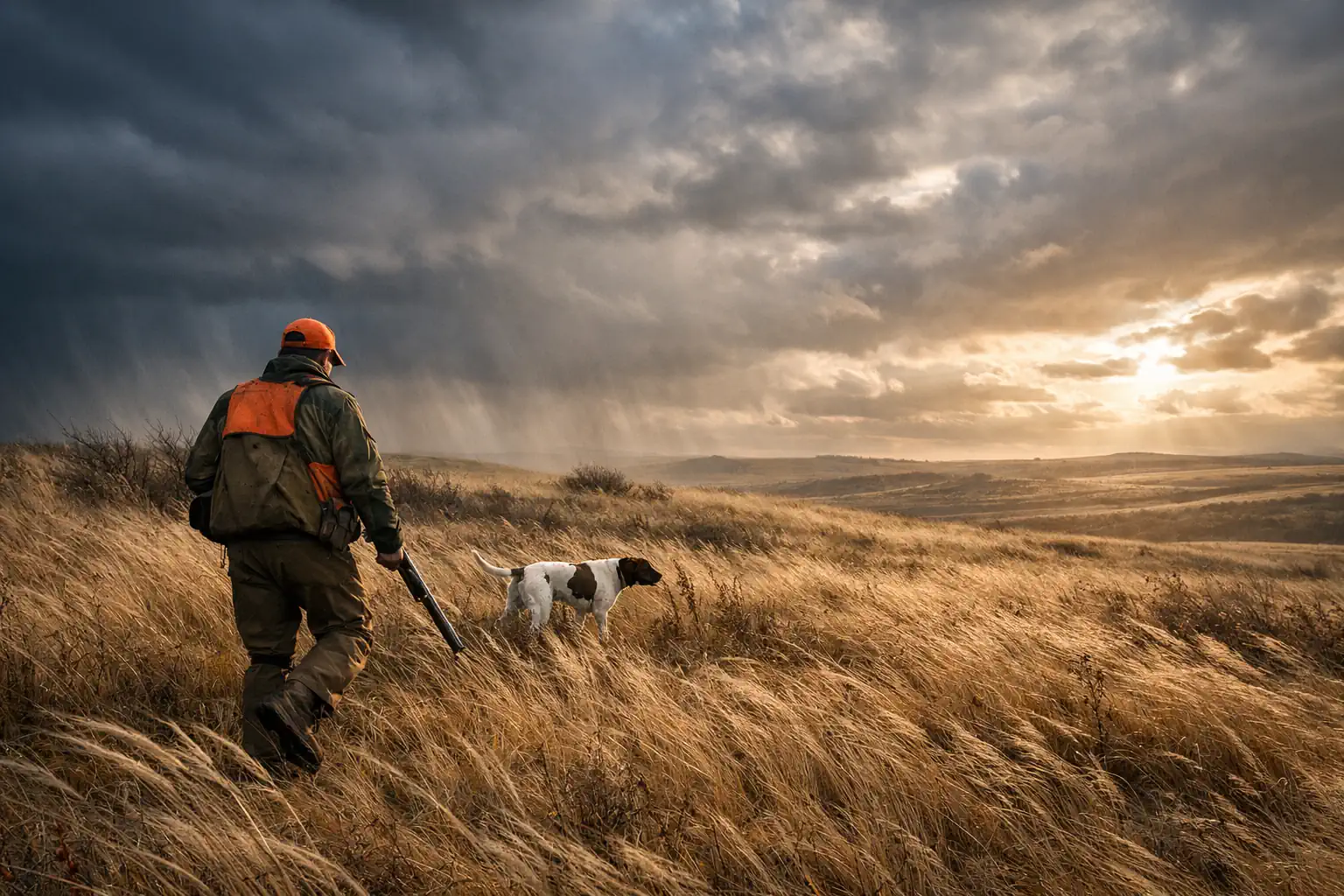
Teaser
Weather changes everything in pheasant hunting.
Understanding how birds react gives you the advantage.
Key Takeaways
- Weather directly affects pheasant movement.
- Birds seek shelter and food during harsh conditions.
- Timing matters more than distance walked.
- Adapt tactics instead of fighting conditions.
Context
Pheasants are resilient birds, but weather influences where they feed, roost, and flush. Successful hunters adjust their approach instead of sticking to one plan.
Before You Start
Check forecasts, dress appropriately, and plan routes based on wind direction, temperature, and cover availability. Safety and stamina matter as much as strategy.
Field-Proven Guide
Cold and Freezing Temperatures
Cold pushes pheasants into heavy cover near food.
- Focus on cattails, shelterbelts, and thick grass.
- Hunt later in the day.
- Expect birds to flush reluctantly but explosively.
Windy Conditions
Wind alters flight paths and bird positioning.
- Hunt leeward sides of fields.
- Expect birds to run before flushing.
- Tighten formations with partners.
Rain and Wet Weather
Rain dampens scent and sound.
- Dogs may work closer.
- Birds often hold tight.
- Light rain can improve movement.
Snow and Ice
Snow limits mobility and exposes food sources.
- Focus on south-facing cover.
- Slow down and work cover thoroughly.
- Shots may come fast and close.
Warm or Unseasonably Mild Weather
Mild weather spreads birds out.
- Hunt early and late.
- Focus on shaded areas and water.
- Expect longer walks between flushes.
Safety in the Field
- Watch footing in snow and mud.
- Maintain visibility in low light.
- Keep firearms dry and functional.
- Monitor dogs for fatigue.
- Communicate clearly in wind.
- Avoid rushing shots.
- Dress in layers.
- Know when to stop.
Common Mistakes and Fixes
- Mistake: Hunting too early in cold weather.
Fix: Start later when birds feed. - Mistake: Ignoring wind direction.
Fix: Plan walks into the wind. - Mistake: Covering ground too fast.
Fix: Slow down in harsh conditions.
Real-World Examples
- Late-season hunt after overnight snowfall.
- Windy prairie fields pushing birds into draws.
- Cold morning turning productive by noon.
- Rainy day with tight-holding birds.
Choosing Gear Wisely
Weather-resistant clothing, reliable boots, and gloves that allow trigger control are essential. Choose loads and chokes that match expected shot distances.
Editorial Insight
Great pheasant hunters don’t complain about weather—they read it. Each condition reveals patterns if you’re willing to adapt.
Next Step
Track how birds behave in different weather and adjust future hunts based on real observations.
Conclusion
Weather is one of the most powerful variables in pheasant hunting. By understanding how birds react to cold, wind, rain, and snow, you turn challenging days into productive ones.
Adaptation, patience, and awareness consistently outperform brute effort. Learn the patterns, trust your dog, and hunt smarter every season.
FAQ
Below are common questions and practical answers related to pheasant hunting in changing weather conditions.
Frequently asked questions
How does cold weather affect pheasant behavior?
Cold weather pushes pheasants to thicker cover and food sources, making mid-day hunts more productive than early mornings.
Is pheasant hunting good in windy conditions?
Yes, wind concentrates birds in sheltered areas and can improve hunting if you focus on leeward cover.
Do pheasants move in the rain?
Light rain often increases movement, while heavy rain can keep birds tight in cover until conditions ease.
How does snow change pheasant locations?
Snow forces pheasants into dense cover near food, making them more predictable but harder to flush.
Is hunting after a storm effective?
Yes, post-storm conditions often trigger feeding and movement once birds leave shelter.
What time of day is best in cold weather?
Late morning to afternoon is best, when birds leave roosts to feed and temperatures rise.
Does weather affect shot distance?
Yes, wind and cold can change bird flight patterns, often resulting in longer or more erratic shots.
How should dogs work in extreme weather?
Dogs may need more breaks, hydration, and adjusted pace depending on heat, cold, or snow depth.
Are pheasants harder to flush in bad weather?
Often yes. Birds tend to hold tighter, requiring thorough cover work and patience.
What weather produces the best pheasant hunting?
Cool, calm, overcast days are often ideal, balancing bird movement and hunter comfort.