How to Prevent Gun Shyness in Bird Dogs
· 3 min read · HuntWithDog
Learn how to prevent gun shyness in bird dogs using proven field methods that build confidence, proper timing, and positive exposure.
On this page
- Teaser
- Key Takeaways
- Context
- Before You Start
- Field-Proven Guide
- Build Obsession With Birds
- Start With Distance, Not Silence
- Pair the Shot With Peak Excitement
- Gradually Close the Distance
- Let Birds Be the Reward
- Safety in the Field
- Common Mistakes and Fixes
- Real-World Examples
- Choosing Gear Wisely
- Editorial Insight
- Next Step
- Conclusion
- FAQ
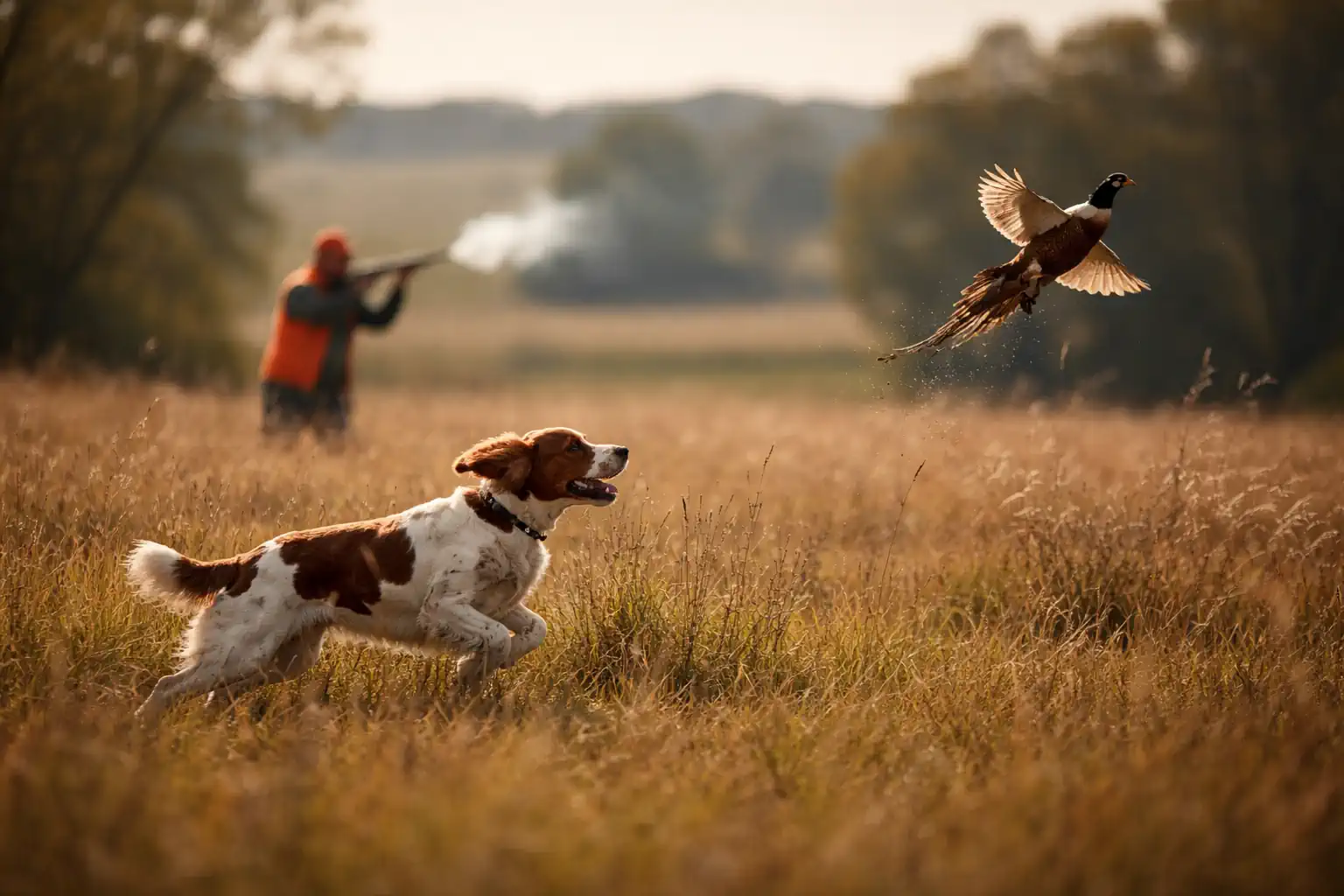
Teaser
Gun shyness is one of the fastest ways to ruin a promising bird dog.
The good news: it’s almost always preventable.
The key is timing, distance, and context.
Key Takeaways
- Gunfire must always be associated with birds.
- Distance matters more than volume.
- Never introduce gunfire before prey drive is solid.
- One bad session can undo weeks of progress.
- Prevention is far easier than correction.
Context
Gun shyness isn’t caused by noise alone. It’s caused by poor timing, lack of context, and stress. Dogs don’t fear the gun—they fear what the sound predicts when it’s introduced incorrectly.
Most cases trace back to rushed introductions, uncontrolled environments, or well-meaning but flawed methods.
Before You Start
Before any gun is fired, your dog should:
- Actively chase or point birds with enthusiasm
- Show no hesitation in the field
- Be mentally engaged and confident
- Have zero obedience pressure during bird work
If any of these are missing, stop and build drive first.
Field-Proven Guide
Build Obsession With Birds
Bird drive must overpower environmental stress.
- Use strong-flying birds
- Keep sessions short and exciting
- End while the dog wants more
Start With Distance, Not Silence
Gunfire should begin far away.
- Shooter 100–200 yards away
- Dog fully focused on bird chase
- Single shot only
Pair the Shot With Peak Excitement
The shot should happen when:
- The dog is chasing or fully locked on birds
- Adrenaline is high
- The dog is moving away from the sound
Gradually Close the Distance
Over multiple sessions:
- Reduce distance slowly
- Never increase volume and proximity together
- Watch body language after every shot
Let Birds Be the Reward
After the shot:
- Birds fall
- Dog retrieves or continues chase
- No verbal pressure or commands
Safety in the Field
- Use a separate shooter whenever possible
- Never shoot over a young dog’s head
- Avoid echo-heavy environments
- Limit sessions to one or two shots
- Stop immediately at any sign of stress
- Never restrain the dog during shots
- Do not comfort fear—remove pressure instead
- Avoid crowds and multiple guns early
- Keep wind direction in mind
Common Mistakes and Fixes
- Mistake: Shooting too close too soon
Fix: Reset and rebuild distance with birds only - Mistake: Testing reactions with noise
Fix: Eliminate noise without context - Mistake: Forcing obedience around birds
Fix: Separate obedience and bird work - Mistake: Multiple shots per session
Fix: One perfect shot beats five risky ones
Real-World Examples
- A young Brittany chasing quail ignores a distant .22 shot completely.
- A pointer freezes after a close-range shotgun—training pauses for weeks.
- A dog regains confidence when shots only occur during retrieves.
- A cautious dog succeeds when sessions are cut in half.
- A handler avoids lifelong issues by stopping at the first warning sign.
Choosing Gear Wisely
- Start with blanks or light loads
- Use reliable ear-safe distances
- Avoid semi-autos early due to repeated noise
- Prioritize bird launchers over louder guns
Editorial Insight
Gun shyness is rarely bad luck. It’s usually human error. Slowing down, reading the dog, and respecting timing separates consistent trainers from frustrated ones.
A confident dog isn’t built by courage—it’s built by clarity.
Next Step
Once your dog ignores distant gunfire during bird work, maintain that association for weeks before moving closer. Progress should feel boring, not exciting.
Conclusion
Preventing gun shyness is about patience and discipline. Every shot should mean birds. Every session should end on success.
Rushing costs years. Careful timing builds lifetime confidence.
Train the dog in front of you, not the one you hope to have.
FAQ
Below you’ll find common questions answered clearly based on real field experience.
Frequently asked questions
What is gun shyness in bird dogs?
Gun shyness is a fear response to gunfire that causes stress, avoidance, or shutdown in a dog when shots are fired.
Can gun shyness be prevented completely?
In most cases yes, when exposure is gradual, positive, and paired with strong prey drive and confidence.
At what age should gun introduction start?
Gunfire should only be introduced after the dog shows strong enthusiasm for birds, regardless of age.
Does loud noise exposure at home help?
No. Random noise desensitization does not replace proper field-based gun introduction tied to birds.
Is clapping or banging objects a good substitute?
No. These sounds lack context and can create confusion or anxiety instead of confidence.
What calibers are safest to start with?
Small calibers like .22 blanks or distant shotgun shots are safest for initial exposure.
Can a gun-shy dog be fixed?
Sometimes, but prevention is far easier than rehabilitation and results vary greatly.
Should the handler fire the gun?
Ideally no. A separate shooter at distance allows better timing and observation.
Does pressure during training increase risk?
Yes. Excessive obedience pressure lowers confidence and increases sensitivity to stress.
What breeds are most sensitive?
Any breed can develop gun shyness, but softer-tempered dogs require extra care and timing.