First Season Expectations
· 2 min read · HuntWithDog
First season expectations for young bird dogs explained clearly so handlers focus on learning, confidence, and progress instead of perfection.
On this page
- Teaser
- Key Takeaways
- Context
- Before You Start
- Field-Proven Guide
- What Success Actually Looks Like
- Understanding Immaturity
- Managing Birds and Contacts
- Reading Progress Correctly
- Handler Mindset
- Safety in the Field
- Common Mistakes and Fixes
- Real-World Examples
- Choosing Gear Wisely
- Editorial Insight
- Next Step
- Conclusion
- FAQ
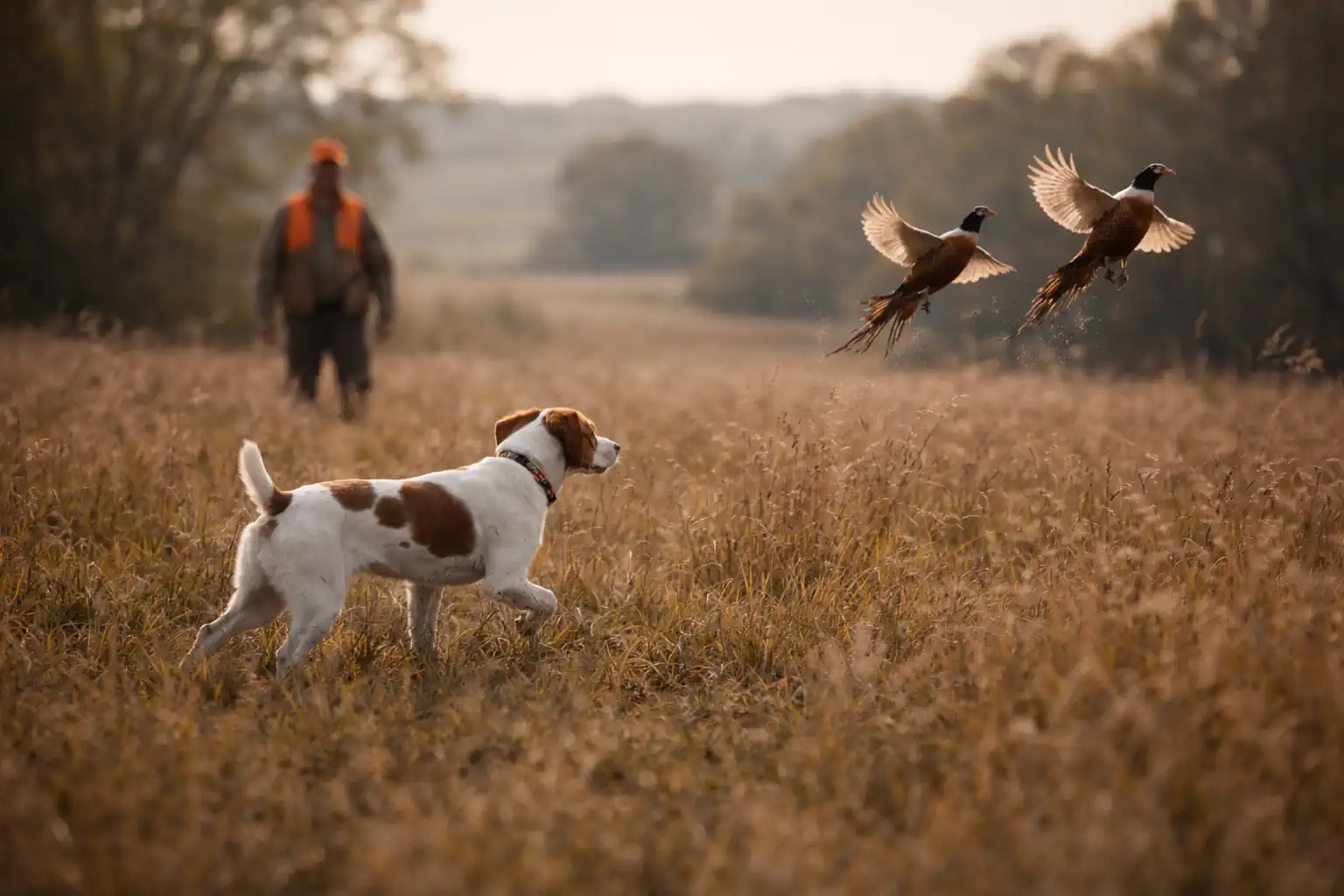
Teaser
The first season isn’t about results.
It’s about learning the game.
Set the right expectations, and progress follows.
Key Takeaways
- Confidence matters more than performance.
- Mistakes are part of learning.
- Pressure kills progress.
- Small wins compound.
- The goal is desire, not control.
Context
Many handlers expect too much, too soon. Social media and finished dogs create unrealistic benchmarks that don’t reflect real development.
A dog’s first season is about exposure—terrain, birds, weather, and partnership—not perfection.
Before You Start
Before the season begins:
- Accept that inconsistency is normal
- Reset expectations toward learning
- Separate long-term goals from short-term outcomes
- Commit to patience
If frustration is high, expectations are likely misplaced.
Field-Proven Guide
What Success Actually Looks Like
Early success is subtle.
- Willingness to hunt
- Re-entering cover
- Curiosity after mistakes
- Growing independence
Understanding Immaturity
Young dogs lack experience.
- Birds are confusing
- Scent takes time to understand
- Decision-making is still forming
Managing Birds and Contacts
Fewer is better.
- Avoid overexposure
- Protect enthusiasm
- End sessions early
Reading Progress Correctly
Progress isn’t linear.
- One great day doesn’t mean finished
- One bad day doesn’t mean failure
- Patterns matter more than moments
Handler Mindset
Your attitude shapes outcomes.
- Stay calm
- Avoid visible frustration
- Let the dog explore freely
Safety in the Field
- Avoid extreme heat or cold
- Monitor hydration
- Check paws regularly
- Avoid punishing cover
- Keep outings short
- Watch for fatigue
- Use blaze orange where required
- Stop at signs of stress
Common Mistakes and Fixes
- Mistake: Expecting polish
Fix: Focus on effort and desire - Mistake: Overcorrecting mistakes
Fix: Ignore errors and reward initiative - Mistake: Comparing dogs
Fix: Measure only your dog’s growth - Mistake: Long, exhausting hunts
Fix: Short, positive outings
Real-World Examples
- A dog chases wildly early, then settles later in season.
- Confidence grows after missed birds.
- Range improves with each outing.
- A slow starter finishes strong the next year.
- First-season patience pays off long term.
Choosing Gear Wisely
- Comfortable collar
- Minimal equipment
- Reliable water supply
- Lightweight vest if needed
- Simple tools, not gadgets
Editorial Insight
The first season reveals potential, not outcomes. Dogs don’t fail first seasons—handlers fail expectations.
Protect the dog’s love for hunting. Everything else can be taught later.
Next Step
After the season ends, evaluate progress honestly and plan structured training—not corrections—around what the dog showed naturally.
Conclusion
A successful first season creates hunger, not obedience. Dogs that love the field come back stronger, smarter, and more driven each year.
Slow down, enjoy the process, and let the dog mature. The best seasons are still ahead.
FAQ
Below are common questions that help handlers set realistic expectations for a dog’s first season.
Frequently asked questions
What should I expect from a dog in its first season?
Curiosity, mistakes, flashes of instinct, and gradual improvement—not consistency or polish.
Is pointing required in the first season?
No. Chasing, interest, and confidence matter far more than formal pointing early on.
Should my dog retrieve birds its first year?
Retrieving is a bonus, not a requirement, and often improves naturally with maturity.
How many birds should a first-season dog handle?
Quality matters more than quantity; a few clean contacts are enough.
Is it normal for range to be inconsistent?
Yes. Range develops over time as confidence and understanding grow.
Should steadiness be expected?
No. Steadiness comes later and should not be forced during the first season.
Can pressure ruin a first season?
Yes. Too much correction or expectation can permanently reduce drive.
Is it okay if progress feels slow?
Absolutely. Learning is rarely linear in young dogs.
Should I compare my dog to others?
No. Each dog matures at its own pace.
What defines a successful first season?
A dog that loves the field, birds, and wants to hunt more every outing.