Early Bird Work Mistakes
· 2 min read · HuntWithDog
Early bird work mistakes can permanently damage a young bird dog. Learn the most common errors and how to avoid them in early training.
On this page
Teaser
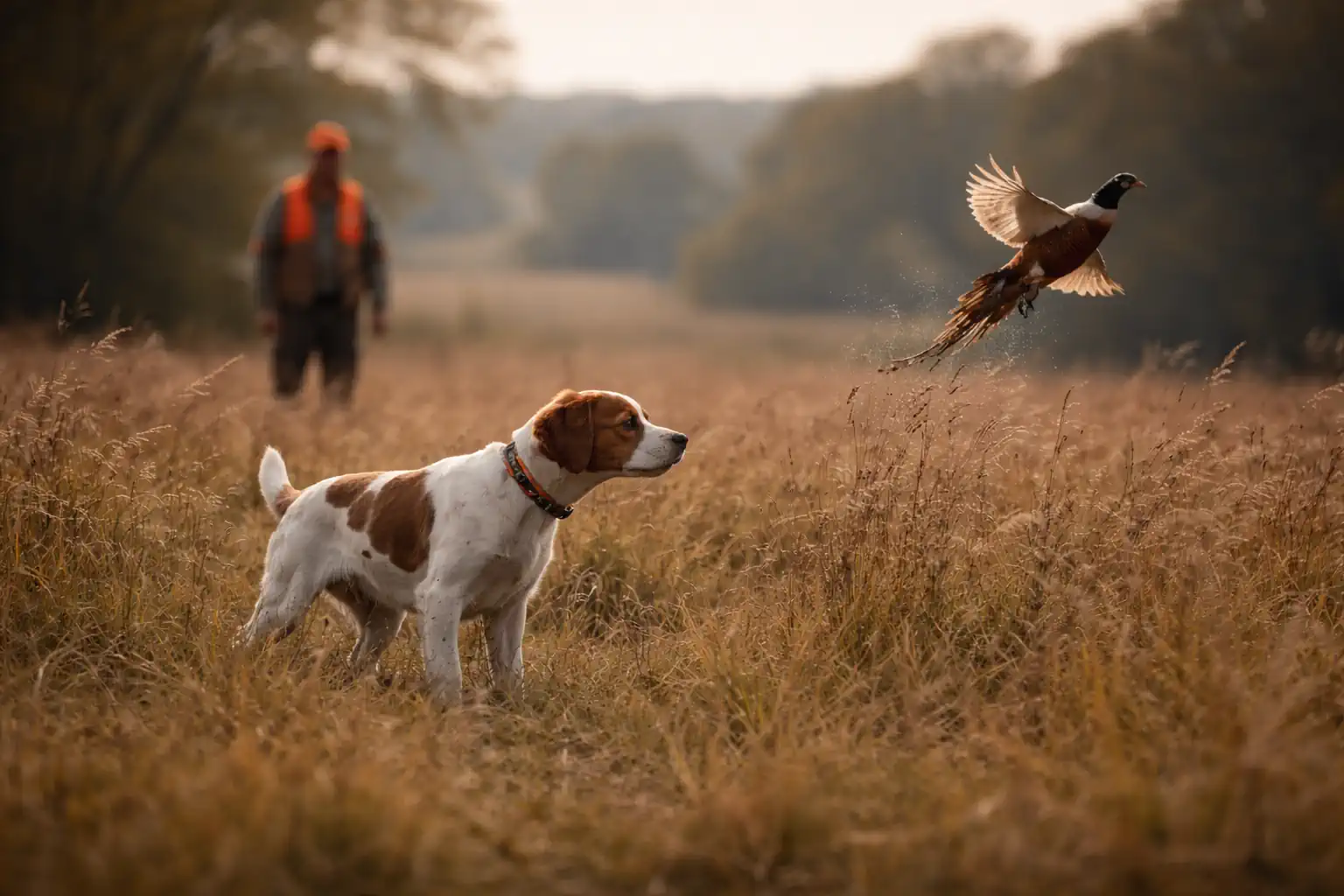
Early bird work builds—or breaks—a bird dog.
Most problems don’t come from genetics.
They come from avoidable mistakes.
Key Takeaways
- Pressure kills drive.
- Birds must always equal excitement.
- Fewer contacts done right beat many done wrong.
- Timing matters more than age.
- Mistakes early echo for years.
Context
Early bird work is where instincts are either encouraged or suppressed. Dogs don’t understand rules yet—they only understand experiences.
When bird encounters feel confusing, stressful, or restrictive, dogs learn to avoid them.
Before You Start
Before introducing birds, ensure:
- The dog is confident in the field
- Sessions are short and positive
- No obedience expectations exist around birds
- Birds used are strong and unpredictable
If any of these are missing, wait.
Field-Proven Guide
Rushing Bird Exposure
Too many birds too soon overwhelms young dogs.
- Limit contacts per session
- Allow recovery time between outings
- End while excitement is high
Adding Obedience Too Early
Commands compete with instinct.
- No whoa
- No recall on birds
- No enforced steadiness
Poor Bird Quality
Bad birds teach bad lessons.
- Avoid weak flyers
- Avoid ground-running birds
- Avoid repeated setups in the same place
Overhandling the Dog
Handlers often create pressure unintentionally.
- Excessive talking
- Constant whistling
- Micromanaging movement
Shooting Too Soon
Gunfire without context creates fear.
- No shooting before obsession
- Distance matters
- One shot is enough
Safety in the Field
- Use strong, healthy birds
- Avoid extreme temperatures
- Watch for stress signals
- Keep sessions brief
- Hydrate frequently
- Inspect paws after work
- Avoid thick, punishing cover
- Stop immediately at hesitation
Common Mistakes and Fixes
- Mistake: Correcting mistakes
Fix: Ignore them and focus on confidence - Mistake: Expecting points
Fix: Reward chase and enthusiasm - Mistake: Long sessions
Fix: Quit early, every time - Mistake: Repeating bad setups
Fix: Change locations and birds
Real-World Examples
- A young dog starts blinking birds after repeated corrections.
- Drive rebounds once pressure is removed.
- Weak birds create cautious approaches.
- One bad shooting session delays progress for months.
- Simple, clean bird work restores confidence.
Choosing Gear Wisely
- Reliable bird launchers
- Light check cord (emergency use only)
- Flat collar
- Minimal equipment overall
- Focus on environment, not tools
Editorial Insight
Early bird work isn’t about control—it’s about emotion. Dogs that love birds will tolerate structure later. Dogs that fear confusion will avoid work entirely.
The best trainers make early sessions look boring.
Next Step
Once early bird work is clean and confident, you can begin layering structure—slowly, deliberately, and always second to drive.
Conclusion
Most bird dog problems begin with good intentions and bad timing. Early bird work mistakes are common—but entirely avoidable.
Slow down. Protect the dog’s enthusiasm. Birds should always be the best part of the day.
FAQ
Below are answers to common questions about early bird work and how to avoid costly mistakes.
Frequently asked questions
What is early bird work?
Early bird work refers to a dog’s first controlled exposure to birds during training, before any formal steadiness or obedience.
Why is early bird work so important?
It shapes how the dog perceives birds, pressure, and the field for the rest of its career.
What is the most common early bird work mistake?
Adding pressure too early, especially obedience or correction around birds.
Can early mistakes cause long-term issues?
Yes. Poor early bird work can lead to blinking, lack of drive, or avoidance.
Should puppies be corrected around birds?
No. Corrections during early bird work often suppress natural instincts.
How many bird contacts should a puppy have?
Few but meaningful contacts are better than frequent, poorly managed ones.
Is pointing required during early bird work?
No. Chasing and enthusiasm matter more than pointing at this stage.
Should birds be shot during early work?
Not initially. Shooting comes later, once bird drive is solid and consistent.
Can planted birds cause problems?
Yes, if they don’t fly well or if sessions become predictable.
When is a dog ready to move past early bird work?
When it consistently shows confidence, excitement, and initiative around birds.