Brittany Puppy Upland Training Checklist
· 2 min read · HuntWithDog
A complete Brittany puppy upland training checklist covering drive, birds, field exposure, and timing to build a confident hunting dog.
On this page
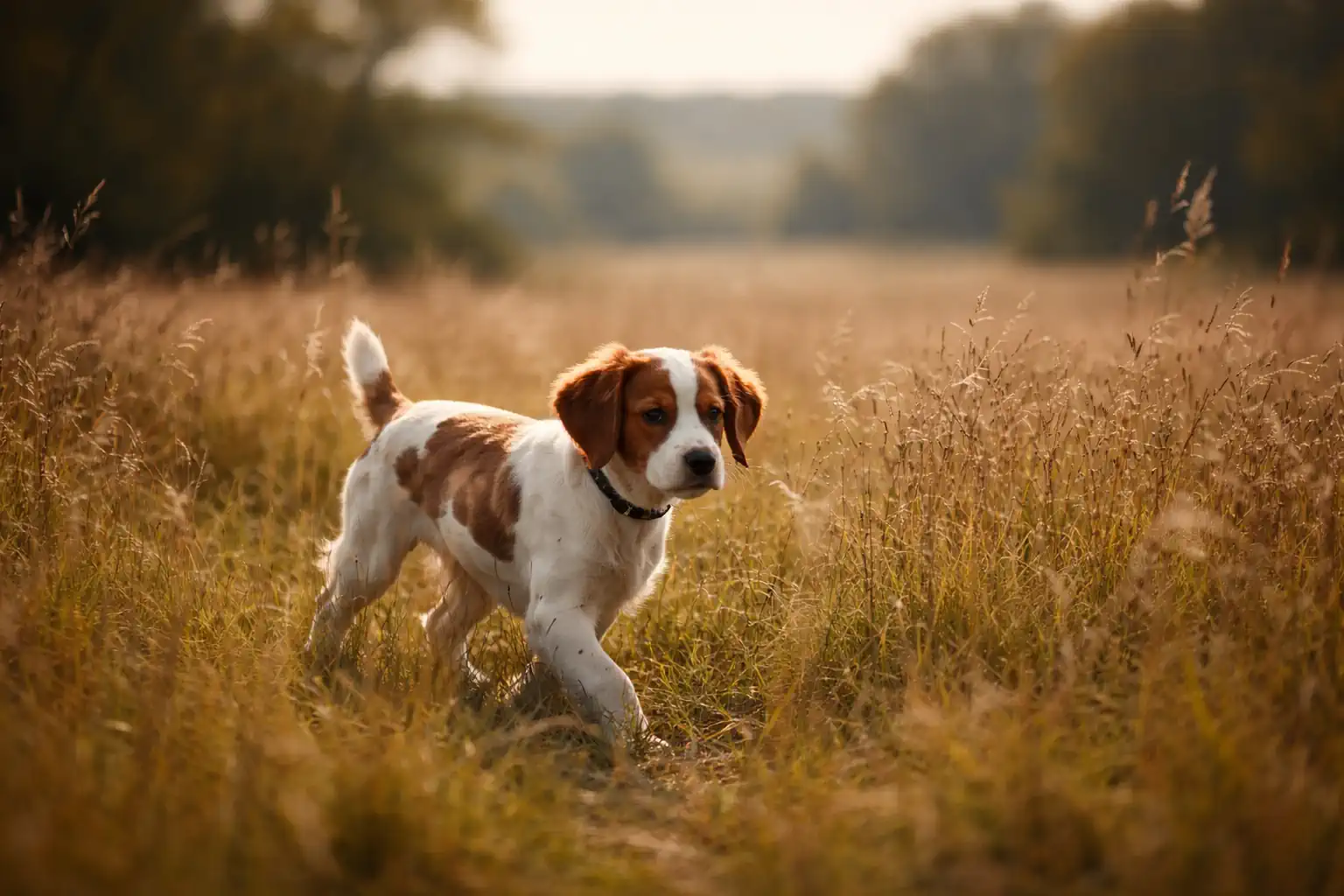
Teaser
A Brittany puppy doesn’t need pressure.
It needs exposure, confidence, and birds.
This checklist keeps you on track from day one.
Key Takeaways
- Confidence comes before control.
- Birds build everything else.
- Short, positive sessions win.
- Pressure ruins progress.
- Timing matters more than age.
Context
Brittanys mature into incredible upland dogs, but their early months set the ceiling. Puppies that are rushed, over-handled, or over-trained often lose initiative.
This checklist is designed to guide you through what matters—and what doesn’t—during the most important phase.
Before You Start
Make sure your puppy:
- Is comfortable exploring new environments
- Is healthy and cleared for light activity
- Has bonded with you through play and routine
- Is not overwhelmed by obedience expectations
If confidence is shaky, slow everything down.
Field-Proven Guide
Home Foundations
Early habits shape field behavior.
- Crate comfort
- Name recognition
- Recall through play
- Neutral response to handling
Field Exposure
Let the puppy learn the world.
- Tall grass
- Light cover
- Different surfaces
- Natural smells
Bird Introduction
Birds unlock instincts.
- Start with strong-flying birds
- Allow chasing without correction
- Keep sessions exciting
- End on success
Developing Drive
Drive grows when pressure stays away.
- No whoa
- No forced steadiness
- No correction around birds
Early Conditioning
Build endurance gently.
- Free running
- Natural pacing
- No forced drills
- Plenty of rest
Safety in the Field
- Avoid extreme heat
- Watch hydration closely
- Inspect paws after sessions
- Avoid barbed wire areas
- Keep sessions short
- Monitor body language
- Stop at signs of stress
- Use blaze orange when required
Common Mistakes and Fixes
- Mistake: Overusing obedience
Fix: Separate obedience from bird time - Mistake: Long sessions
Fix: Quit early, every time - Mistake: Forcing points
Fix: Let instincts mature naturally - Mistake: Early gunfire
Fix: Wait for true bird obsession
Real-World Examples
- A Brittany puppy gains confidence after weekly free runs.
- Early bird exposure sparks natural pointing at six months.
- Short sessions prevent burnout and avoidance.
- A slow-start puppy flourishes when pressure is removed.
- A confident pup transitions smoothly into formal training later.
Choosing Gear Wisely
- Lightweight flat collar
- Long check cord (used sparingly)
- Comfortable crate
- Water bowl and shade
- Quality whistle for later stages
Editorial Insight
Most Brittanys fail not from lack of talent, but from excess human involvement. The best trainers know when to step back.
Let the puppy teach you what it’s ready for.
Next Step
Once this checklist is complete, you’re ready to transition into structured bird work and gradual control—without sacrificing drive.
Conclusion
A Brittany puppy only gets one first season. Protect it. Confidence built early pays off for years.
Train slow, stay patient, and trust the process. The finished dog is shaped by what you don’t rush.
FAQ
The following FAQs address the most common questions Brittany owners face during early upland training.
Frequently asked questions
At what age should Brittany upland training begin?
Training begins the day the puppy comes home, focusing on confidence, exploration, and bird exposure rather than formal commands.
Should I start obedience before field work?
Basic manners are fine, but heavy obedience should not interfere with early drive and curiosity in the field.
When should my Brittany see birds?
As early as possible, once the puppy is confident outdoors and shows interest in movement.
Do I need planted birds for a puppy?
Strong-flying birds are ideal, but early exposure can also come from natural encounters.
Is pointing required at the puppy stage?
No. Chasing and enthusiasm matter far more than pointing early on.
How long should puppy field sessions last?
Very short—10 to 20 minutes—ending before the puppy loses interest or confidence.
Can I use a check cord early?
Only lightly and only for safety, never to control or correct bird interactions.
When should gunfire be introduced?
Only after strong bird drive is established, and always at distance.
What terrain is best for a puppy?
Open, forgiving terrain with minimal obstacles and good visibility.
What is the biggest mistake with Brittany puppies?
Doing too much, too fast, and adding pressure before confidence is built.